
The psychology behind risk-taking in casino environments
The allure of risk in gambling
Risk-taking in casino environments is deeply rooted in human psychology. One of the primary reasons individuals are drawn to gambling is the thrill associated with uncertainty. The unpredictability of outcomes can heighten excitement, which is why many people find themselves captivated by the idea of winning big. This thrill-seeking behavior is often linked to the release of dopamine, a neurotransmitter that plays a significant role in the brain’s reward system. Every time a player spins a slot machine or places a bet, they experience an adrenaline rush that can be both exhilarating and addictive. Additionally, players exploring options may come across Casiny Casino Australia, which offers an engaging platform for enthusiasts.
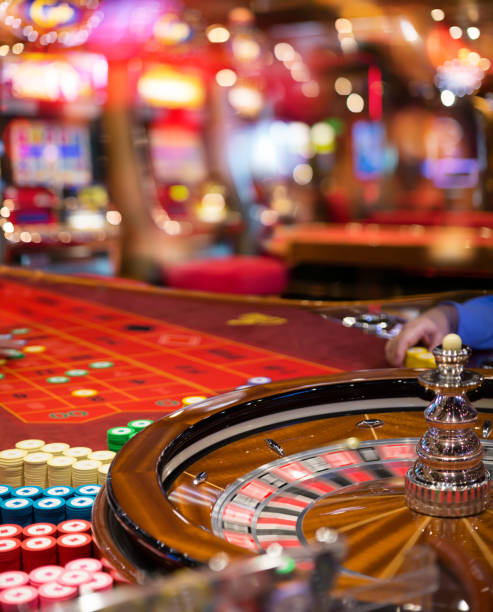
Furthermore, the design of casinos enhances this risk-taking mentality. Bright lights, engaging sounds, and a lively atmosphere create an environment conducive to impulsive behavior. The more engrossed a player becomes in their surroundings, the less they focus on the potential losses. This sensory overload can cloud judgment, encouraging individuals to place larger bets or continue playing longer than they initially intended. As a result, the casino environment fosters a psychological state where the excitement of risk overshadows the reality of potential financial consequences.
Additionally, the social aspect of gambling plays a crucial role in enhancing risk-taking behaviors. Many people enjoy the camaraderie that comes with playing in a casino, sharing in the thrill of wins and losses with friends or even strangers. This sense of community can amplify the desire to take risks, as individuals feel emboldened by the presence and encouragement of others. When surrounded by enthusiastic players, individuals may be more inclined to take chances they wouldn’t consider in isolation, further perpetuating the cycle of risk-taking in these environments.
The cognitive biases influencing gambling decisions
Cognitive biases significantly influence decision-making processes in casino environments. For instance, the illusion of control is a common bias where individuals believe they can influence the outcome of games, such as blackjack or poker, through their skills or strategies. This belief can lead players to take greater risks, convinced that they have a higher chance of winning. Even in games of pure chance, such as slot machines, players may feel a sense of agency, prompting them to invest more money and time than they originally planned.
Another cognitive bias prevalent among gamblers is the gambler’s fallacy, the mistaken belief that past events can influence future outcomes in random games. For example, if a player has witnessed a series of losses, they might feel that a win is “due” and therefore increase their wagers. This skewed perception of probability can lead to significant financial losses, as players may chase their losses in hopes of regaining what they have lost. Such biases can cloud rational thinking, leading to impulsive decisions that prioritize potential rewards over careful consideration of risks.
Confirmation bias also plays a role, as gamblers tend to focus on winning experiences while disregarding their losses. When players experience a win, they may attribute it to skill or strategy, reinforcing their desire to take risks. Conversely, when they lose, they may downplay the event or blame external factors, maintaining their belief in their abilities. This selective memory can perpetuate a cycle of risk-taking, as players continuously seek validation for their gambling behaviors, often ignoring the inherent risks associated with their choices.
The role of emotional states in gambling behavior
Emotional states have a profound impact on gambling behavior, significantly affecting risk-taking decisions. Many individuals gamble as a form of escapism, seeking to alleviate stress, anxiety, or even depression. This emotional reliance can lead to impulsive betting, as players may chase the temporary relief that gambling provides. The desire to feel excitement can overshadow logical thinking, pushing individuals to take risks they wouldn’t normally consider if they were in a balanced emotional state.
Moreover, positive emotions can enhance risk-taking behavior. When players are in a good mood, they are more likely to engage in risky bets, believing that their favorable emotional state will translate into good fortune. Conversely, negative emotions may lead to reckless decision-making as individuals attempt to counteract their feelings of loss or disappointment. This can create a cycle of emotional gambling, where feelings dictate betting behaviors, often leading to increased risks and greater financial stakes.
Additionally, the interplay between stress and decision-making in gambling environments can be complex. Stressful situations may prompt individuals to gamble to distract themselves or seek immediate gratification. This behavior can exacerbate existing emotional issues, leading to a dangerous cycle of risk-taking. As players engage more deeply with the gambling experience, their emotional states can fluctuate, further influencing their willingness to take risks and potentially leading to compulsive behaviors.
The impact of casino design on risk-taking behavior
The architectural and design elements of casinos are intentionally crafted to encourage risk-taking behaviors. Casinos typically employ a layout that promotes exploration and engagement, making it easy for players to move from one game to another without barriers. This fluidity can lead to impulsive betting as players become immersed in the environment, often forgetting their original limits or bankrolls. The absence of clocks and windows further disorients players, making it challenging to maintain an awareness of time, which can result in extended gambling sessions and increased risk-taking.
Another significant aspect of casino design is the strategic placement of high-stakes games in central locations. This positioning creates an allure around these games, drawing players in and encouraging them to take risks in hopes of large payouts. The sounds and visuals associated with winning—such as flashing lights and celebratory music—serve to amplify excitement and entice players to participate. This sensory stimulation can heighten the thrill associated with gambling and further encourage risk-taking behavior.
Moreover, the availability of complimentary drinks and rewards programs can create a perception of value that encourages players to risk more. Players often feel that receiving free drinks or benefits offsets their gambling costs, prompting them to wager more than they would otherwise. This psychological trick can lead to higher stakes and increased risks, as players become more engrossed in the experience and less focused on their financial reality. These design elements combine to create an environment where risk-taking is not only encouraged but almost expected.
Exploring responsible gambling with Casiny Casino
Casiny Casino offers a unique platform for players to enjoy a diverse array of gaming options while emphasizing responsible gambling practices. With a commitment to player safety, Casiny provides resources and tools designed to help individuals manage their gambling habits effectively. From deposit limits to self-exclusion options, players have access to various features that promote a healthy gambling experience. By fostering an environment where players can enjoy gaming while being mindful of their risk-taking behaviors, Casiny Casino prioritizes player welfare.
The casino’s approach to responsible gambling extends beyond simple measures. Casiny Casino actively educates players about the psychological aspects of gambling, helping them understand the emotional and cognitive influences at play. By providing information on how to recognize cognitive biases and emotional triggers, the casino empowers players to make informed decisions about their gambling habits. This focus on education encourages a more balanced approach to risk-taking, enabling players to enjoy the excitement of gaming while minimizing potential adverse effects.
Ultimately, Casiny Casino stands out not only for its engaging gaming options but also for its dedication to promoting responsible gambling. By cultivating a safe and supportive environment, the casino helps players navigate the complexities of risk-taking in gambling settings. This combination of entertainment and responsible practices reinforces Casiny’s reputation as a trustworthy choice for online gaming, allowing players to indulge in the thrill of gambling while prioritizing their well-being.


